







Texas Hold’em can seem complex at first, but a clear understanding of rules, position, and smart betting makes learning easier. This guide shares simple tips to help new players build confidence and play better in Texas Hold’em.
See Also: Top 10 High Roller Games for the Bold Players
Basics and Hands in Texas Hold’em
Start with the rules in Texas Hold’em and the list of hands. Each Texas Hold’em player gets two private cards. Five shared cards go on the table. Players make the best five card hand using any mix of private and shared cards. Betting happens in steps called pre-flop, flop, turn, and river. Learn the order from high card up to royal flush. Knowing these rules helps you avoid big mistakes and stay calm at the table.
Also learn how action moves around the table. The small and big blinds put chips into the pot before cards are shown. The dealer button moves each hand and changes who acts last. Acting later gives you more information about what other players do. Practice saying the hand ranks until they come to mind. When you know which hands beat others you will make steadier choices.
Watch how a hand flows. Dealers deal cards, then collect bets, then show community cards. Each round gives new chances to bet, raise, call, or fold. If you can count outs and know basic odds, your calls will be smarter. Start small and focus on learning a step at a time.
Keep your words and actions steady. New Texas Hold’em players can show emotions that lead to poor play. Learn to cover reactions and keep a steady face. This helps keep focus and stop wild swings in your stack.
Quick Texas Hold’em checklist
Make a list for a new table. Note blind size, your buy in, and number of active Texas Hold’em players. Review it each orbit to stay sharp.
How to start a session
Set a time limit and a chip loss limit before you play. This keeps focus and stops tired choices. If you hit a limit, leave and review one or two hands.
Before the Flop: Hands and Seat
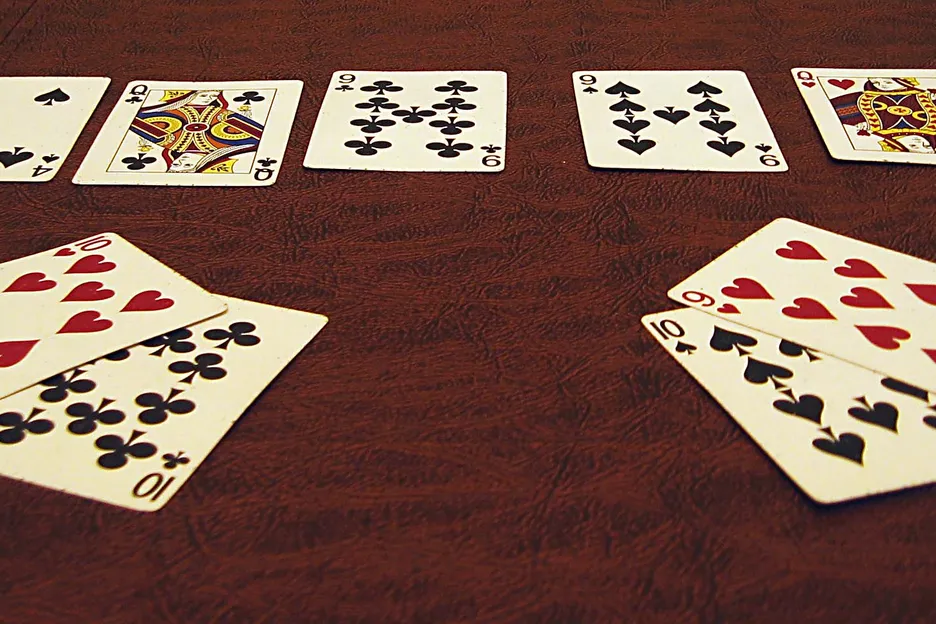
Your seat in Texas Hold’em matters a lot. Early seats need strong hands because you must act with less information. Later seats let you play more hands and try steals more often. Make easy rules for which hands to play from each seat. Play strong pairs and big suited aces in early seats and add more suited connectors when you are on the button.
Set a clear plan for opening, folding, or raising before cards land. Bet sizes should match the pot and the chips Texas Hold’em players have. Small raises can keep weak Texas Hold’em players in, while larger raises protect good hands and charge draws. Use steady numbers that fit the pot rather than odd amounts.
Fold when you should. Playing too many weak hands leads to hard choices after the flop. If you fold more weak hands, you will be in fewer tough spots later. Learn basic charts for which hands to open from each seat, then tweak charts as you learn table habits.
Watch stack size. Shallow stacks need sharper choices and push all in more often. Deep stacks let you call with small chances for a big win later. Use stack depth to guide preflop moves. If many Texas Hold’em players limp in, raise to take charge and make the pot simpler for the flop.
When you start a session, set a limit for losses and a time limit so you do not play tired. Use simple charts for hands at first, then change as you learn who folds too much or calls too much. When fewer Texas Hold’em players stay, be more ready to raise with suited aces and broadway cards.
Simple preflop moves
Use a short list for what to open from each seat. Keep pairs, suited aces, and strong broadway hands in early seats. On the button, add suited connectors.
Stack size check
Always look at your stack and others before a big decision. If you or the short stack must act, be ready to fold or push based on chip counts and the pot size.
See Also: Top 10 High Roller Games for the Bold Players
After the Flop: Bets, Reads, and Bluffs
Think in ranges when playing Texas Hold’em, not single hands. After the flop, list what hands your rival could hold given earlier action and the board cards. This helps you avoid wrong guesses and pick the right move. Use your seat to control the pot. Acting last lets you bet for value or try a well placed bluff when the odds fit.
Learn simple math like pot odds and expected value. Pot odds compare the pot size to the cost to call. Expected value tells which choice wins most over many repeats. These ideas help you decide if chasing a draw or calling a bet is worth it.
Watch betting speed and sizes. Fast bets may mean a weak hold or a quick steal. Slow bets can mean thought or worry. Use these signs with what you saw at showdowns to build a clear read on each player.
Bluff with a plan. Do not bluff just to act. Pick spots where the board and your image make the bluff believable. Blend bluffs with real value bets so you are not always the same. Use bet size to push weaker hands off the pot and get paid when you are ahead.
Control your mood. Bad losses make some players tilt and bet with bad hands. If you feel upset, stop and breathe or take a break. Keep a calm view and make slow clear choices. This keeps your long term results steady.
Learn to read simple tells in live play. Look at how players move chips, how they place chips, and how long they take to act. Nervous gestures often show weakness. In online play, watch timing and bet patterns. Use these signs with other facts and never trust one sign alone.
Use isolation to make life simpler after the flop. When many call a small bet, a raise can force weak riders out and leave one player to play against. This makes post flop work easier and cuts risk when you hold a top pair or a strong draw. Do not isolate when many players are loose and might shove often; pick spots where your raise gets the fold you need.
Fold even premium hands when the board shows heavy danger and the action is strong. Pocket aces can lose to three card runs or long straight boards when many players push. Know when to let go and save your chips for better spots.
Work on thin value lines. Some hands win a little more when you bet a size that weaker cards will call. Learn to find sizes that pull extra small calls while not scaring off fair hands. This skill raises your long term wins when used well.
Watch how blinds and antes change your choices over a session. When more chips are in the pot each hand, you must widen some opening hands and defend blinds more often. When the antes grow, steal spots more often and be ready to contest the pot with a wider set of cards.
Learn simple fold triggers. If an opponent who rarely bets suddenly bets a large amount, consider letting go unless you have a very strong hand. If a caller who is tight starts to bet, that often means strong holding. Use these rules with care and test them in small pots first.
Reading a showdown in Texas Hold’em
Write down what you learn from cards shown at the end. Note how players acted then and what they had. These notes help you predict later moves.
Small study plan
Spend a few minutes after each session to write one thing to work on. Test that idea in your next session and see if it helps.
Money, Practice, and Mindset

Guard your chips and pick the right table. Play limits where a single loss will not hurt your mood. Choose tables with players who make more mistakes than you. This gives space to learn and build a small profit.
Review hands that reach showdown to learn true patterns. Look for common leaks like calling too much or not raising when you should. Set small study goals such as better three bet choices or cleaner bet sizes.
Practice in both live and online settings. Live play teaches physical reads and patience, while online play gives more hands fast for study. Use each type to build skills. Practice one thing at a time and check how it went.
Mix your play so others cannot read you. If you always bet small with weak hands and big with strong hands, sharp rivals will learn your pattern. Balance helps keep opponents guessing.
Plan around stack ratios after the flop. Low ratio spots mean commits come sooner and you must act with top hands. High ratio spots give more room for draws and longer play. Use this to choose whether to build a large pot or keep it small.
Keep notes that help later. A quick line like “left seat calls too much” or “fast bets are weak” helps in later sessions. Over time, these notes form a clear map of common opponent types and how to press small edges.
Make a short daily study habit. Spend a few minutes reading or watching a short lesson about Texas Hold’em. Try one new idea in a few hands, then check how it worked. Small steady steps build skill over time without wearing you out.
Stay patient and accept luck swings. Good choices win over many hands, even when a few runs go against you. Do not change your plan after a short bad stretch. Find friends or a group to review hands and learn together.
Rest well, drink water, and eat enough. Small health steps help your focus and choices at the table.
Finally, enjoy small wins in Texas Hold’em and learn when you lose. Texas Hold’em is a test of choices over many hands. Keep calm, keep learning, and keep play fair and fun for all.